Water's Role in Renewable Energy:
A sustainable Future
Water Resource Management
Mining Planning
Public-Private Partnership
Asset Optimization
Diverse Planning Studies Across Various Industry Sectors
Water's Role in Renewable Energy
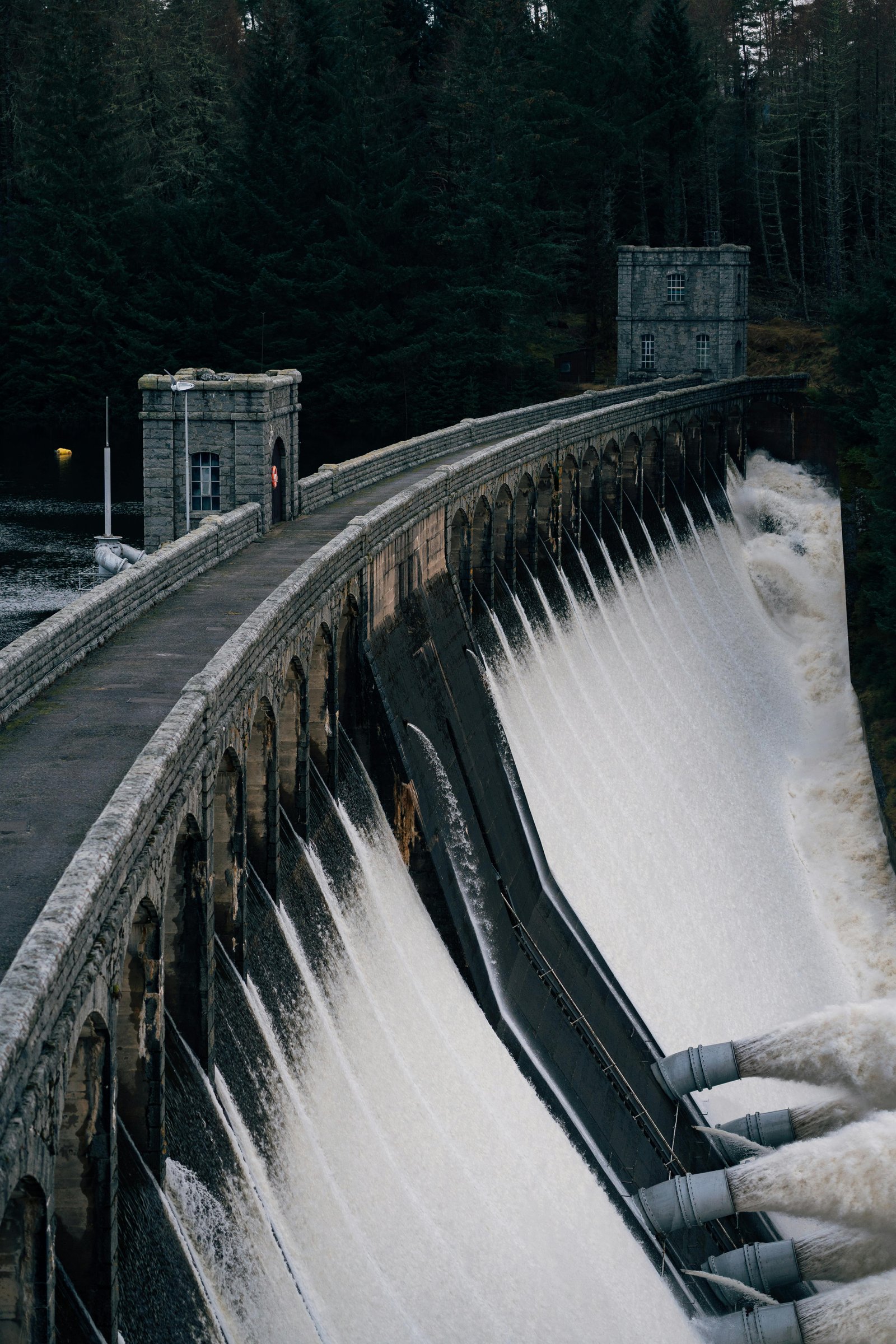
Implementation of Water Resources Utilization through Hydropower Projects (PLTA and PLTMH) The implementation of water as a resource includes the development of Large Hydropower Plants (PLTA) and Micro- Hydropower Plants (PLTMH). These projects in Indonesia require a highly meticulous and comprehensive planning approach, tailored to the specific characteristics of each site. A well-structured planning study begins with a pre-feasibility study that includes analysis of potential electricity generation through measurement of the river’s dependable flow, determination of effective head (height drop), and selection of the optimal location for the powerhouse. As of 2023, the development of major hydropower projects such as Cirata (1,008 MW), along with various micro-hydro plants in remote areas, has demonstrated that project success relies heavily on detailed technical planning. This includes the design of dams or intake structures, waterway systems, selection of appropriate turbine types, and comprehensive environmental and social impact assessments. Other critical planning aspects include grid connection analysis for PLTA and distribution network studies for PLTMH, as well as economic evaluations covering capital and operational costs. Effective financial scheme planning is also essential, given the large initial investment required—although these projects offer long-term operational sustainability with relatively low operating costs.
Water Resource Management
The Drinking Water Supply System (SPAM) in Indonesia has become a key focus within the National Strategic Program (PSN), where the government is targeting 100% Access to Safe Drinking Water through the Development of Regional SPAM An effective planning study for Regional Drinking Water Supply Systems (SPAM) must begin with a thorough assessment of raw water availability, which includes both quality and quantity analysis, future water demand projections, and accurate water balance calculations. All these elements have been integrated into the National Drinking Water Supply System Master Plan (RISPAM).
The government’s “Healthy PDAM” program also emphasizes the importance of technical planning, including the optimization of intake design, water treatment plant installations, transmission and distribution systems, as well as water loss reduction programs. These efforts are supported by innovative financing schemes such as PPPs (Public-Private Partnerships) to accelerate the achievement of national targets.
Another crucial planning aspect addressed in National Strategic Projects (PSN) is detailed financial feasibility analysis. This includes calculating affordable tariffs, designing efficient service zones based on regional characteristics, and conducting comprehensive environmental and social impact assessments to ensure long-term system sustainability.
Mining Planning
Mining Management Development in Indonesia
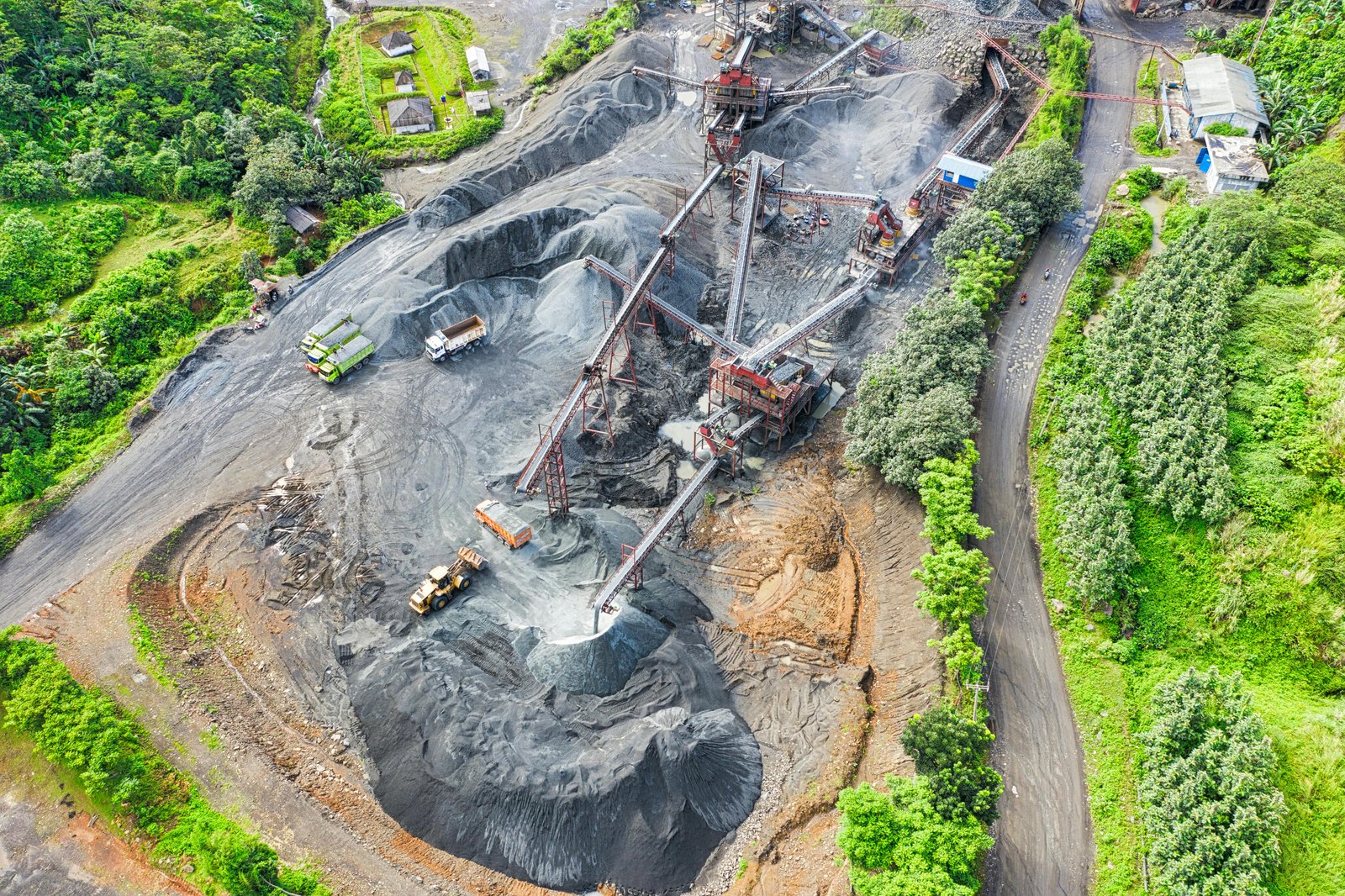
Mining management in Indonesia has undergone significant transformation through the National Strategic Program (PSN), which emphasizes the downstream processing of the mining industry—such as the development of nickel smelters in Morowali and Weda Bay—to support the growth of the electric vehicle battery industry.
Comprehensive mine planning studies are key to successful operations, beginning with detailed exploration that includes mineral reserve analysis, geological modeling, and the development of an optimal mining sequence in accordance with the Work Plan and Budget (RKAB) approved by the government.
Thorough planning in environmental and social aspects is also essential, including post-mining and reclamation plans that must be integrated from the early stages of mine development. Other critical planning elements include detailed technical and financial feasibility analyses, such as calculations of stripping ratio, cut-off grade, selection of appropriate mining methods, and the planning of supporting infrastructure like mine roads, dewatering systems, and processing facilities. All these components must be designed with sustainability in mind and comply with Good Mining Practice standards as required by prevailing regulations.
Public-Private Partnership
Public-Private Partnerships (PPP) in Indonesia Public-Private Partnerships (PPP) in Indonesia have rapidly developed as a key infrastructure financing instrument, supported by the National Strategic Program (PSN), which aims to accelerate the development of priority infrastructure such as toll roads, airports, seaports, and drinking water supply systems. The success of PPP implementation heavily depends on the quality of comprehensive planning studies, beginning with the preparation of the Outline Business Case (OBC), which includes project needs analysis and preliminary feasibility studies, up to the Final Business Case (FBC), which presents a detailed Value for Money analysis, optimal risk allocation, and bankable financing schemes. Thorough planning in technical, legal, and financial aspects is crucial—this includes the preparation of comprehensive bidding documents, well-balanced contract structures, and payment mechanisms that ensure project sustainability throughout the concession period.
Asset Optimization
Asset Optimization Development for State-Owned Assets (BMN) and SOE Assets The development of asset optimization for State-Owned Assets (BMN) and assets of State-Owned Enterprises (BUMN) is driven by the need to improve the efficiency and effectiveness of state asset management.This optimization process involves the identification and inventory of assetsAsset Optimization Development for State-Owned Assets (BMN) and SOE Assets
The development of asset optimization for State-Owned Assets (BMN) and assets of State-Owned Enterprises (BUMN) is driven by the need to enhance the efficiency and effectiveness of state asset management. This process involves identifying and inventorying assets, assessing market value, and analyzing the most appropriate use (Highest and Best Use) to ensure that each asset functions optimally and contributes maximally to the economy.
Asset cooperation schemes can be implemented through various forms of utilization, such as leasing, lending, joint utilization, build-operate-transfer arrangements, or infrastructure provision partnerships, as outlined in several related studies.
The importance of planning studies in asset optimization lies in the ability to identify the root causes of underutilization—such as legal constraints or inadequate physical conditions—so that appropriate strategies can be formulated to improve asset management efficiency and effectiveness.
In this way, optimization not only increases revenue from existing assets but also contributes to sustainable economic development.
Diverse Planning Studies Across Various Industry Sectors
Asset Optimization Development for State-Owned Assets (BMN) and SOE Assets The development of asset optimization for State-Owned Assets (BMN) and assets of State-Owned Enterprises (BUMN) is driven by the need to improve the efficiency and effectiveness of state asset management.This optimization process involves the identification and inventory of assetsAsset Optimization Development for State-Owned Assets (BMN) and SOE Assets
The development of asset optimization for State-Owned Assets (BMN) and assets of State-Owned Enterprises (BUMN) is driven by the need to enhance the efficiency and effectiveness of state asset management. This process involves identifying and inventorying assets, assessing market value, and analyzing the most appropriate use (Highest and Best Use) to ensure that each asset functions optimally and contributes maximally to the economy.
Asset cooperation schemes can be implemented through various forms of utilization, such as leasing, lending, joint utilization, build-operate-transfer arrangements, or infrastructure provision partnerships, as outlined in several related studies.
The importance of planning studies in asset optimization lies in the ability to identify the root causes of underutilization—such as legal constraints or inadequate physical conditions—so that appropriate strategies can be formulated to improve asset management efficiency and effectiveness.
In this way, optimization not only increases revenue from existing assets but also contributes to sustainable economic development.